

 Tiếng Việt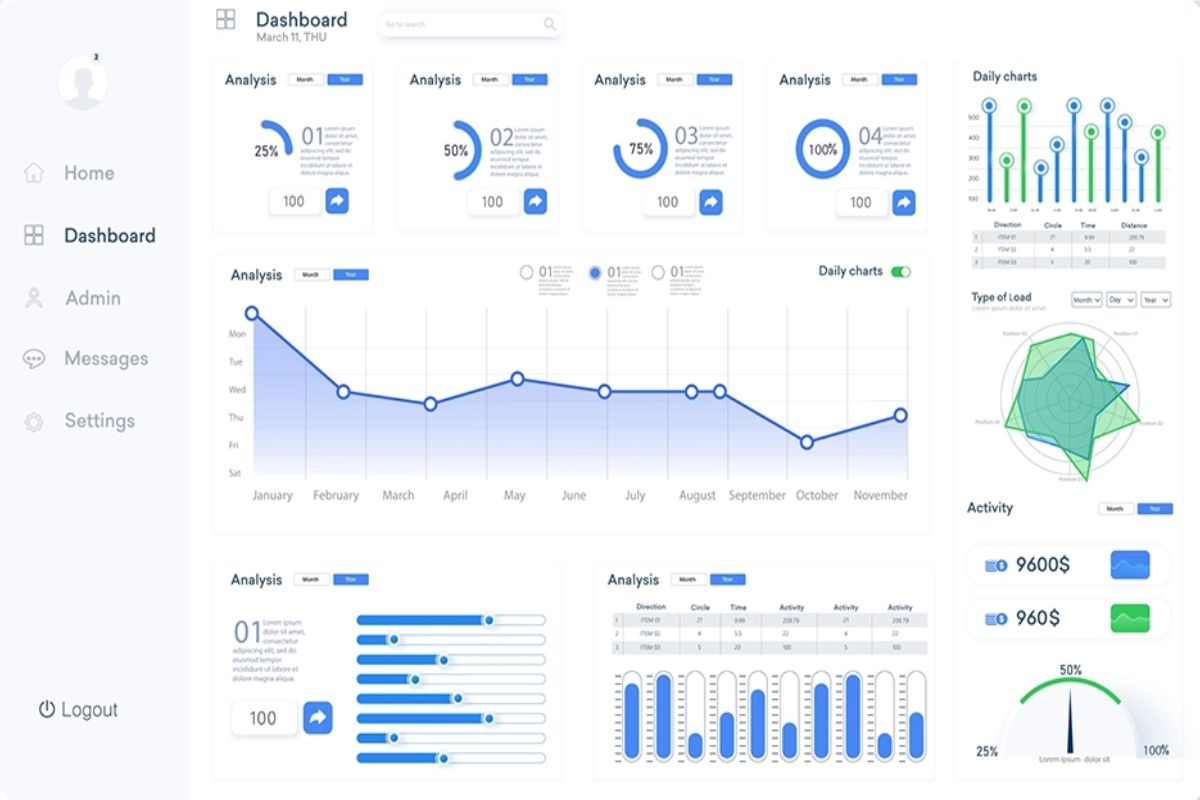
Are shared dashboards reducing decision-making effectiveness? An analysis of role-based dashboards, operational data, and KPIs in modern management.

31
Mar
Mar
Many organizations possess vast amounts of data, yet still make flawed decisions. The root causes often lie in fragmented data, context-less KPIs, and the lack of real-time operational insights.

26
Mar
Mar
As digital transformation enters a more advanced phase, the role of the Business Analyst (BA) is no longer limited to gathering and documenting requirements.

19
Mar
Mar
On the afternoon of March 19, 2026, at the SiciX office, the Business Analyst (BA) team, along with relevant members, participated in an internal training session on the topic of “Customer Relationship Management (CRM) Solutions”, delivered by Mr. Nguyen Ngoc Nhan – Business Analyst.
16
Mar
Mar
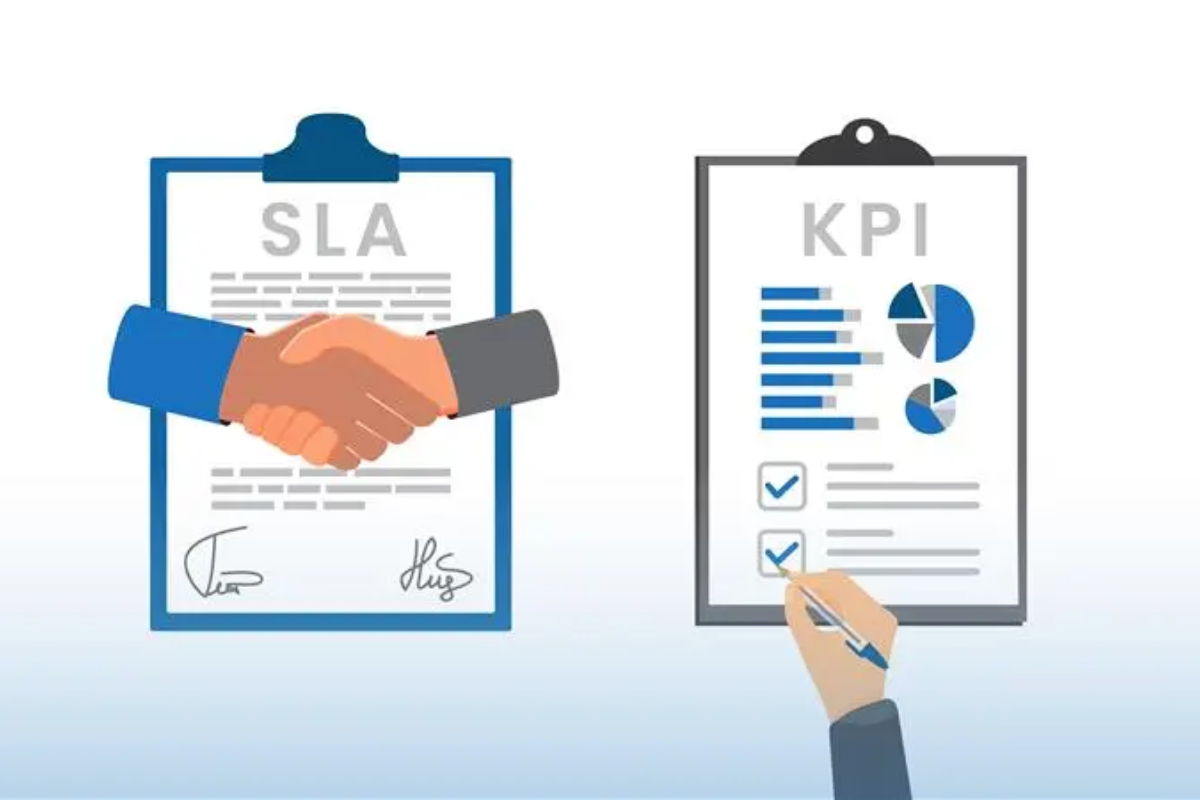
In many organizations, workflows are already well-established. However, when it comes to evaluating operational effectiveness, an important question often arises: Are tasks being completed on time and meeting the expected performance standards?

13
Mar
Mar
On March 12, 2026, at the SiciX office, the company organized an internal training session for the Business Analyst (BA) team to update their knowledge and strengthen their understanding of the SiciX product ecosystem.

12
Mar
Mar
In many organizations, operational processes are already well established: workflow diagrams exist, responsibilities are defined, and handling templates are available.

09
Mar
Mar
In many organizations, task assignments still happen through familiar methods: sending emails, messaging in group chats, discussing tasks directly, or noting them in Excel files. These approaches may seem simple and flexible, but as organizations grow, they quietly become a source of operational disruption.

06
Mar
Mar
The atmosphere at SiciX today became more vibrant and heartwarming with fresh bouquets, small thoughtful gifts, and sincere wishes dedicated to the women of SiciX on the occasion of International Women’s Day, March 8.

03
Mar
Mar
“Women belong in all places where decisions are being made.”