

 Tiếng Việt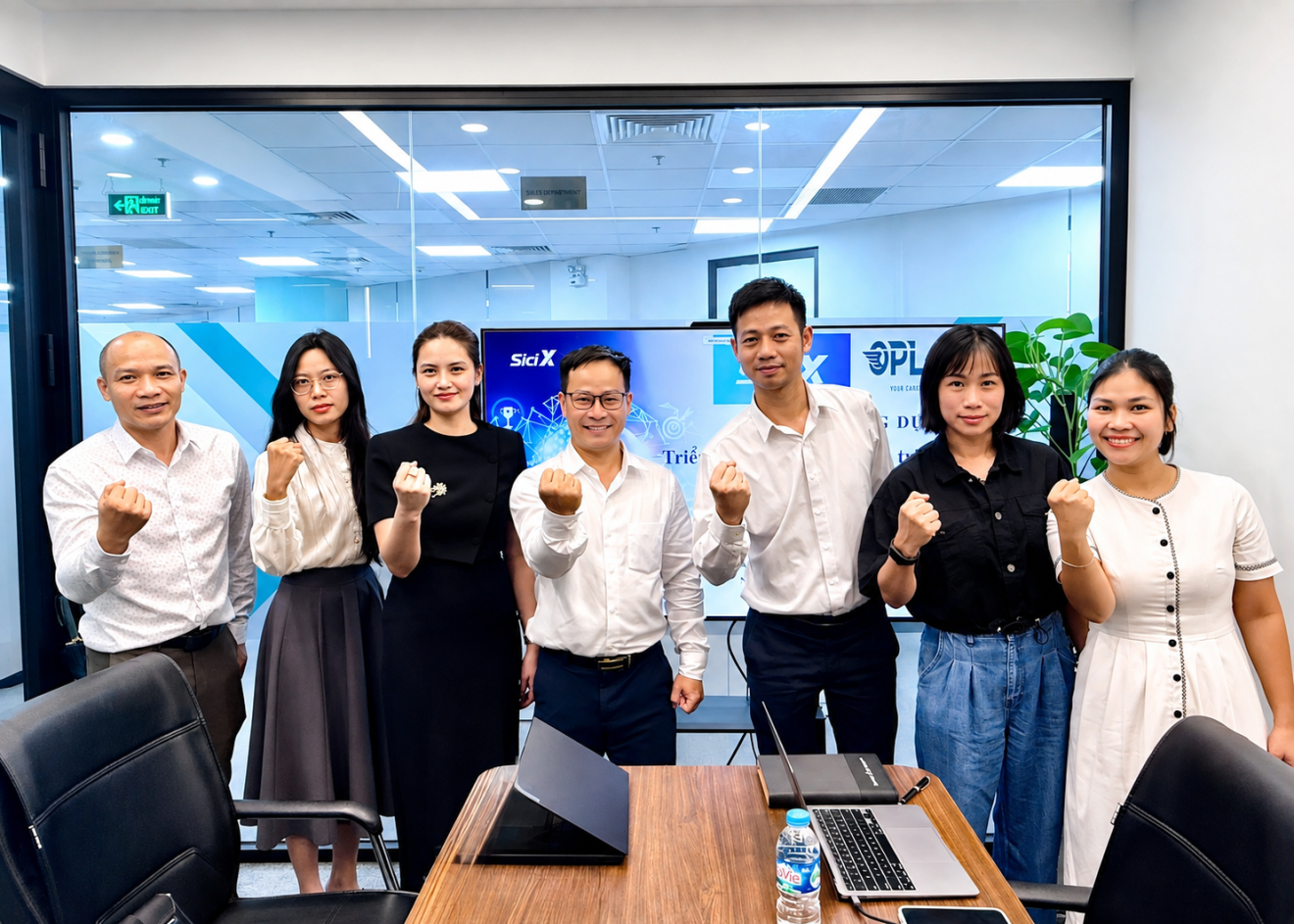
On August 5, 2026, SiciX Technology and OPL Logistics officially held the Kick-off Ceremony for the implementation of the Human Capital Management (HCM) System, marking the beginning of OPL Logistics’ journey toward the comprehensive digitalization of human resource management.
05
Aug
Aug
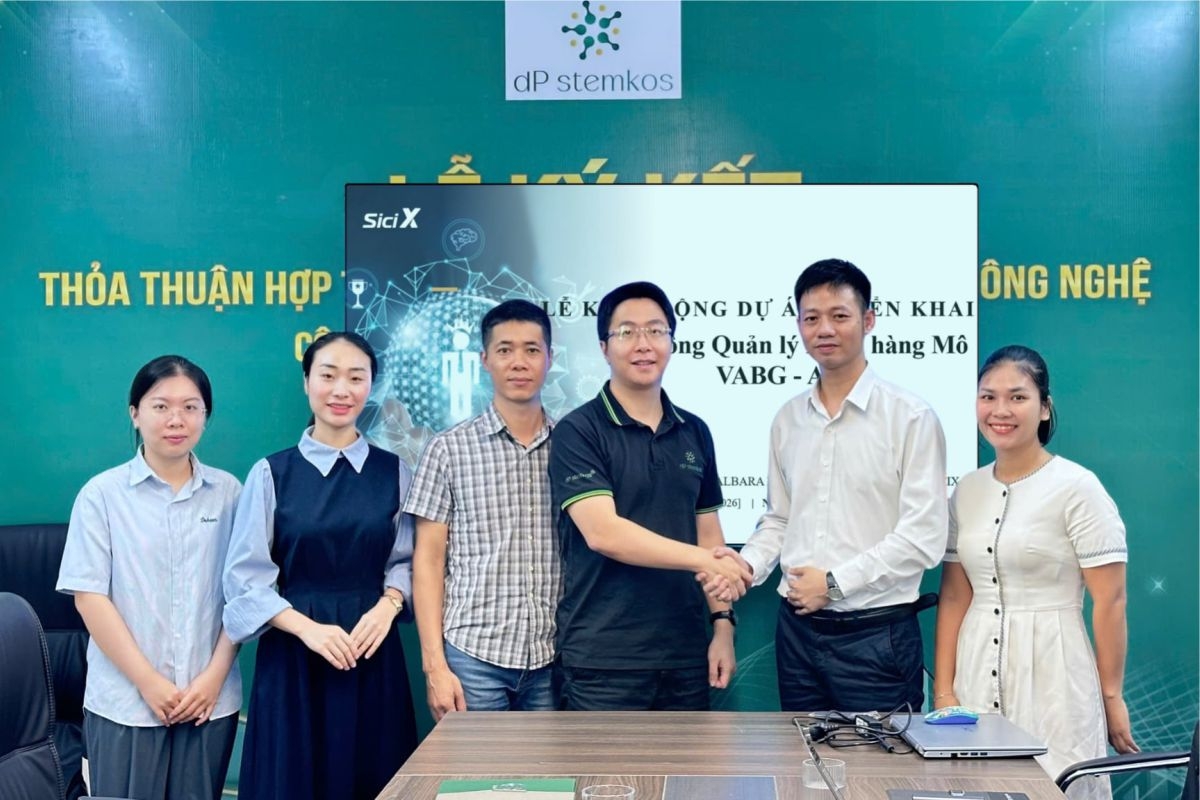
On August 5, 2026, SiciX and Vaalbara Biotech officially launched the VABG–APP Tissue Bank Management System project, marking the beginning of a digital transformation initiative to build a modern tissue sample management platform. The project aims to standardize operational processes, enhance data traceability, and optimize service quality.

04
Aug
Aug
When an agricultural product appears on the market, consumers usually see only the final point of a long journey.
24
Jul
Jul
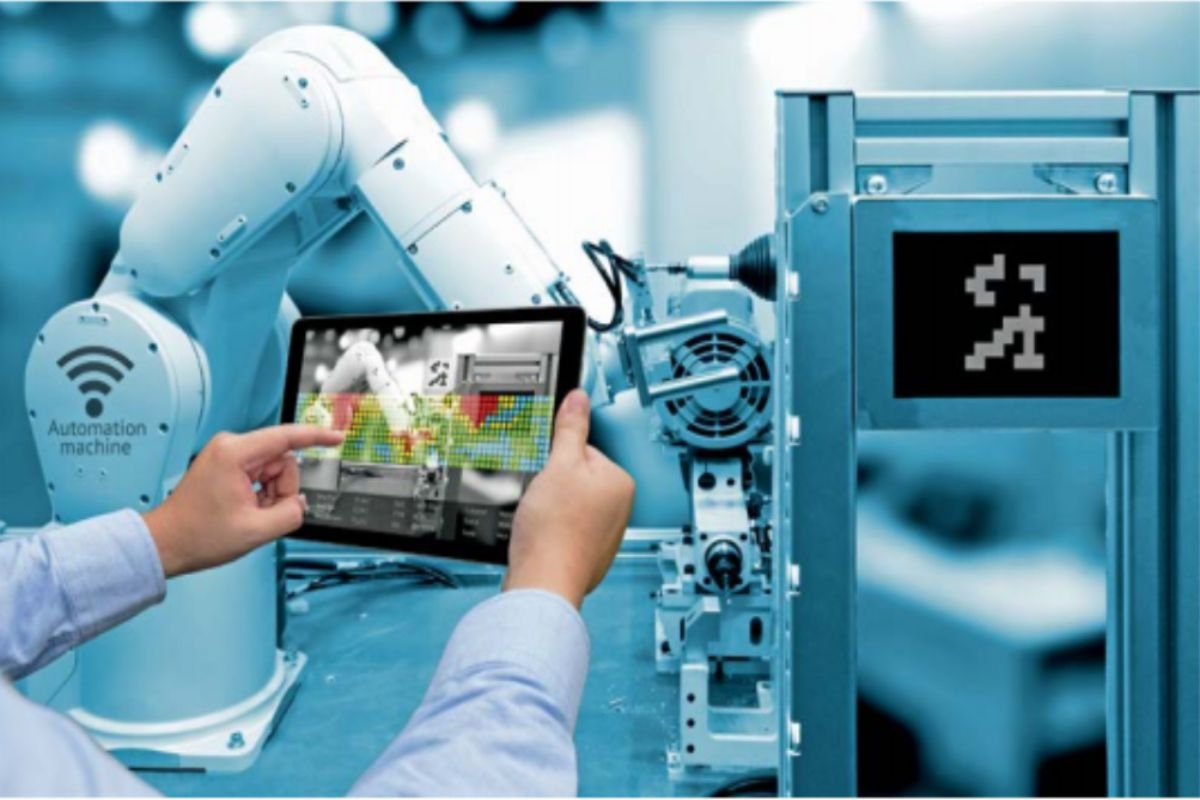
Manufacturing companies do not lack software. What they lack more is a system capable of connecting data, processes, and management decisions into a unified flow.
21
Jul
Jul
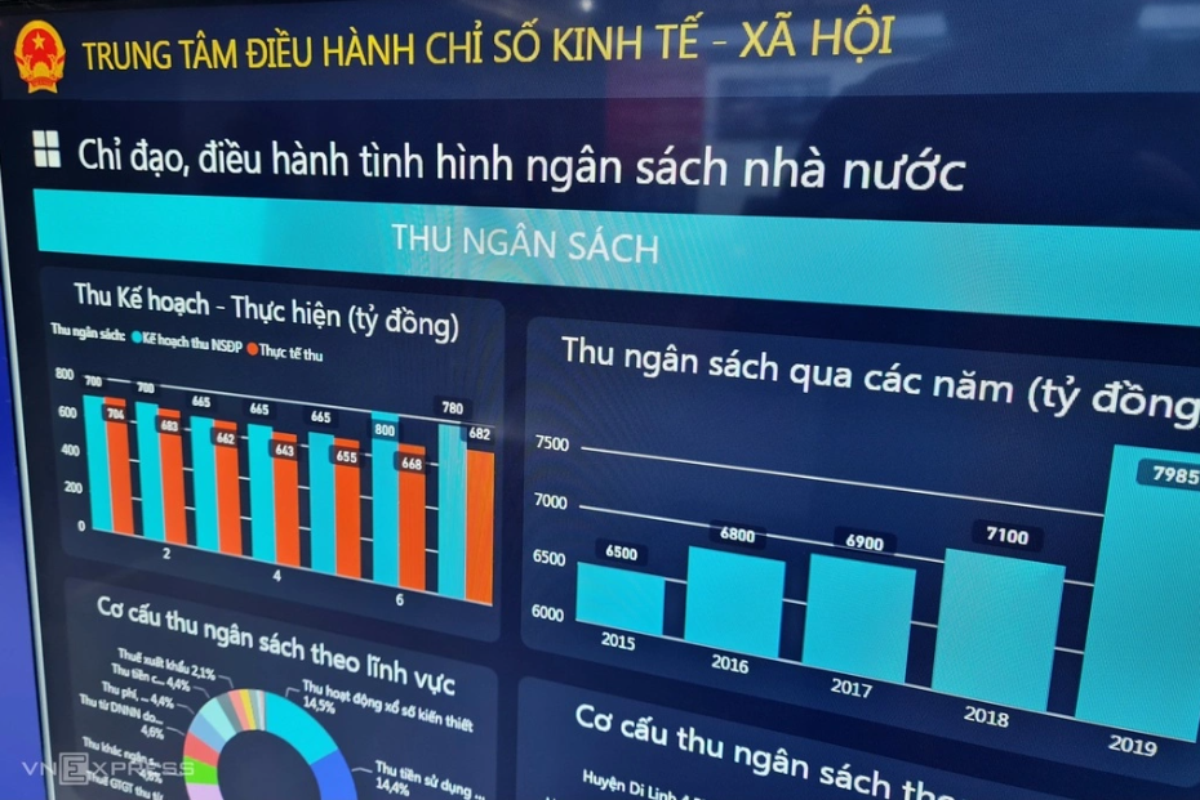
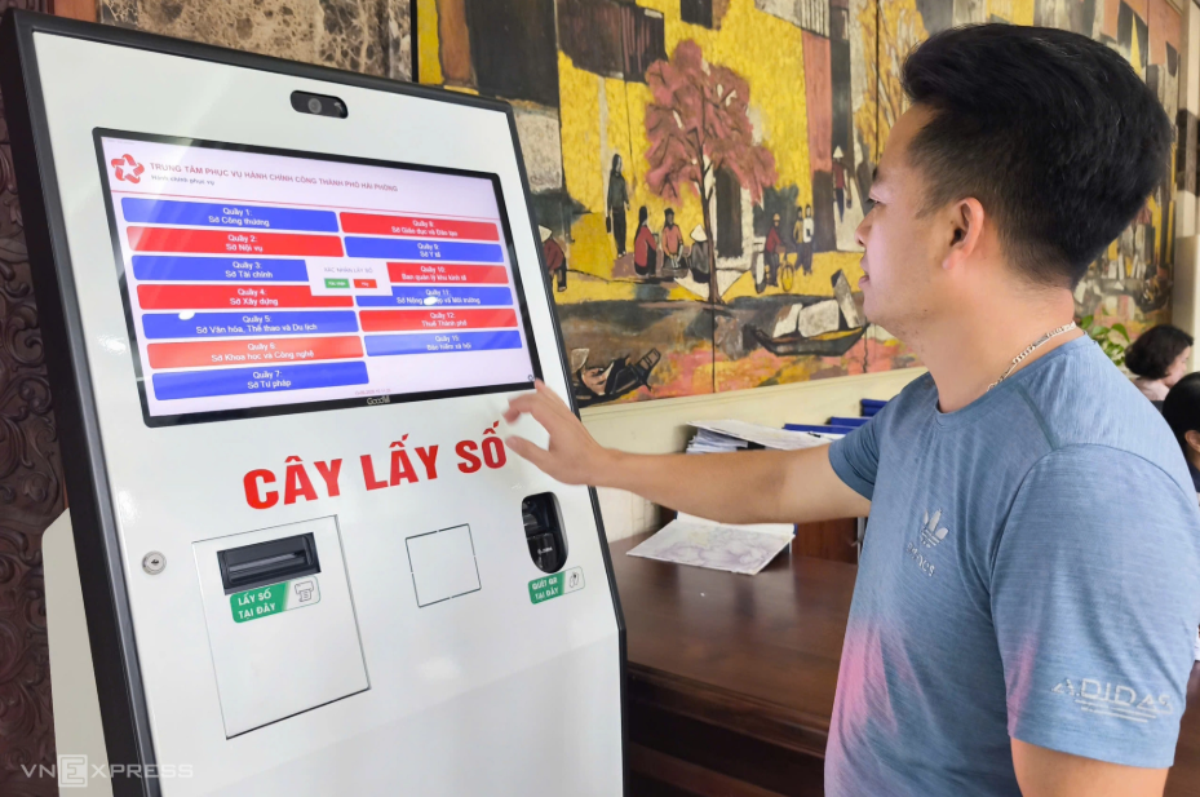
The Law on Digital Transformation, which took effect on July 1, fills a missing piece in Vietnam’s legal framework by establishing a unified legal foundation for building a digital nation.
15
Jul
Jul
Vietnam’s Law on Digital Transformation took effect on July 1, introducing regulations on digital transformation and promoting the development of a digital government, digital economy, and digital society in Vietnam.
14
Jul
Jul
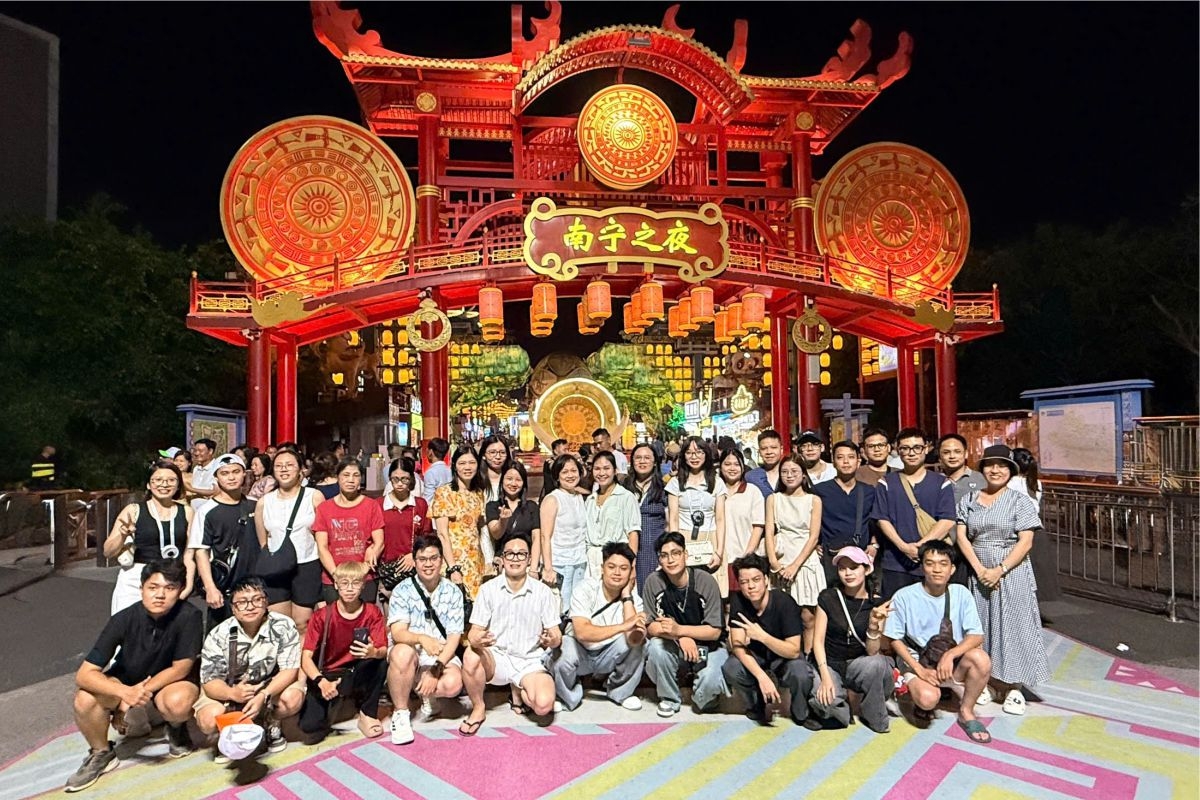
From July 9 to July 13, 2026, SiciX Technology Joint Stock Company organized its annual Summer Trip 2026, taking employees on a 4-day, 4-night journey to three remarkable destinations in China: Beihai, Nanning, and Taiping Ancient Town.

07
Jul
Jul
As raw material prices, labor costs, and logistics expenses continue to fluctuate, many manufacturers focus on expanding market share or increasing sales to improve business performance.

03
Jul
Jul
For many years, when discussing business growth, most manufacturing companies have focused on three familiar objectives: expanding market share, increasing revenue, and boosting production capacity.
23
Jun
Jun
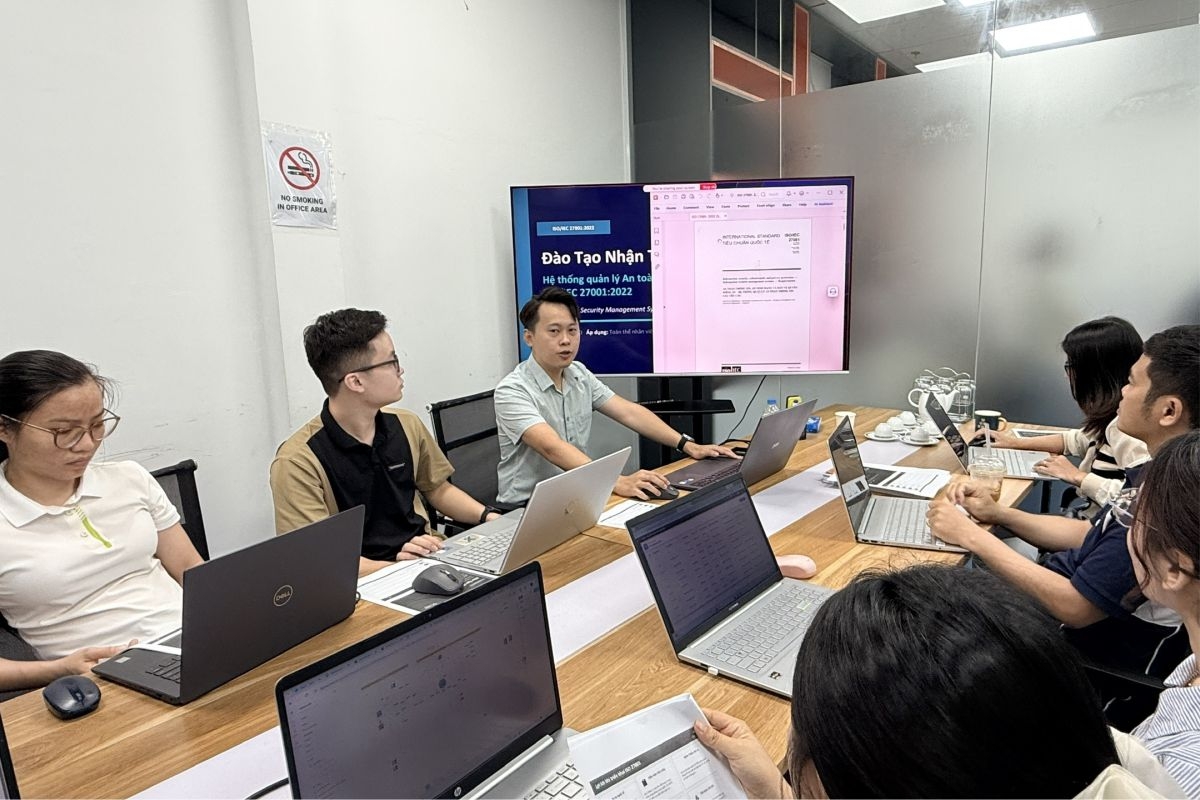
Following its recognition at the Sao Khue Awards 2026, SiciX continues to reinforce its commitment to sustainable development by launching an ISO/IEC 27001:2022 Information Security Awareness Training Program for all employees.