

 Tiếng Việt
Are shared dashboards reducing decision-making effectiveness? An analysis of role-based dashboards, operational data, and KPIs in modern management.
When dashboards become a bottleneck in decision-making
In many organizations, dashboards are expected to serve as the central tool enabling leadership to monitor operations and make data-driven decisions. However, in reality, increased investment in dashboards does not always translate into better decisions. On the contrary, decision-making processes often become more complex. The issue lies not in the lack of data, but in how that data is structured and presented.
A report by Gartner highlights information overload as a major barrier to effective decision-making. When dashboards contain excessive metrics without clear alignment to specific use cases, users are forced to filter and interpret the data themselves, significantly increasing processing time and the risk of misjudgment.
One dashboard for all: a fundamentally flawed approach
Many enterprises attempt to build “all-in-one” dashboards, integrating financial, sales, and operational data into a single interface. While this approach aims to provide a comprehensive overview, it overlooks a critical factor: different management levels require different types of data.
When a single dashboard is used across multiple roles, it often becomes “too much, yet not enough.” CEOs may lack clear strategic insights, while operations managers are left without the real-time, granular data needed to coordinate execution. As a result, the dashboard fails to effectively serve any user group.
Diverging data needs across management levels
At its core, management is a multi-layered decision-making process, spanning strategic, operational, and execution levels. Data only delivers value when it is designed to match the specific needs of each role.
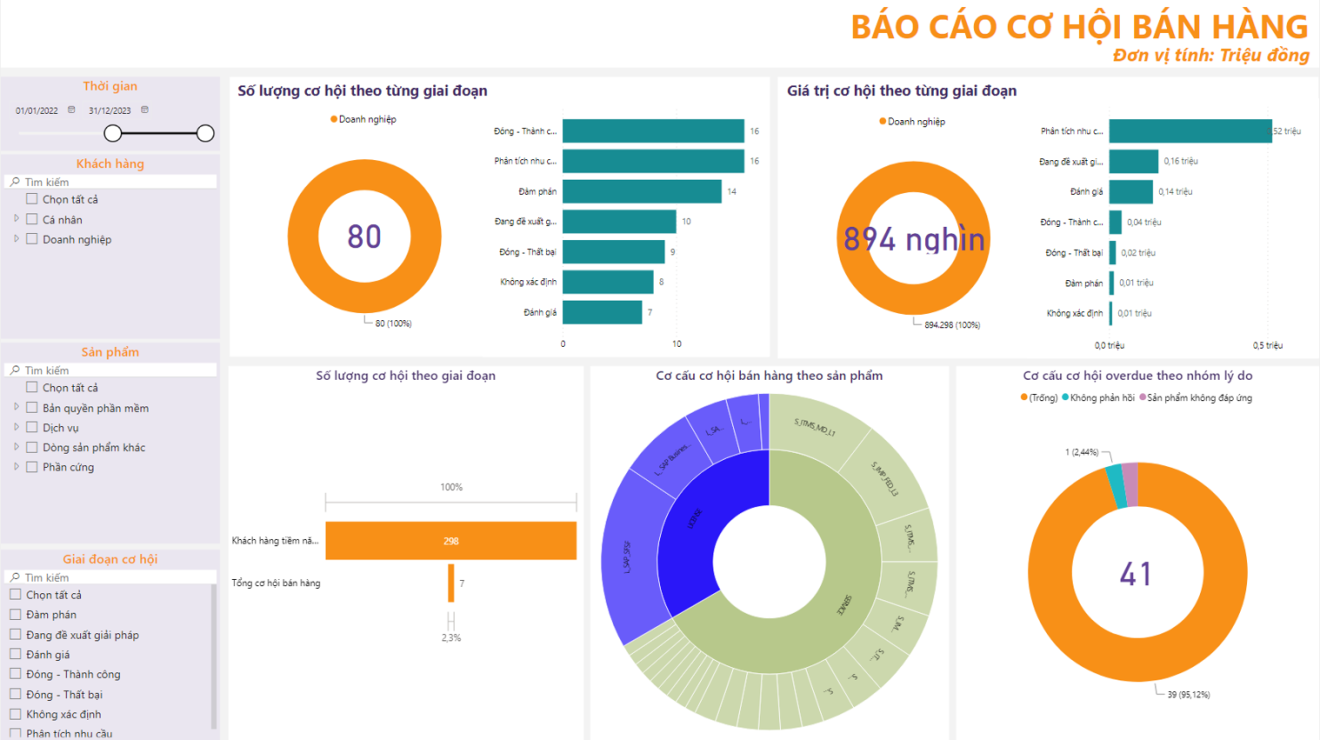
At the executive level, leaders require aggregated data that reflects overall trends, risks, and enterprise performance. At the operational level, managers need more granular insights into process status, progress, and bottlenecks. At the execution level, data must be directly tied to daily tasks, enabling individuals to understand what needs to be done and how to address issues promptly.
Without clear differentiation, dashboards become “neutral tools” that lack the depth required to support decision-making at any level.
When dashboards fail to drive decisions and actions
Another common limitation is that dashboards often stop at data visualization without connecting to concrete actions. Metrics are presented in charts and tables, but they fail to answer the fundamental question: what decisions should be made based on this data?
According to McKinsey & Company, organizations that integrate data directly into decision-making processes significantly outperform those that use data merely for reporting. This underscores a critical point: the value of a dashboard lies not in how much data it displays, but in whether that data can be translated into action.
Static dashboards in a dynamic operational environment
Most dashboards today still operate on periodic updates, creating an inevitable lag between displayed data and actual business conditions. Meanwhile, business operations are continuous and highly dynamic.
Research from Deloitte indicates that organizations leveraging real-time data can respond significantly faster to change. When dashboards fail to reflect the current operational state, they not only reduce data relevance but can also lead to delayed or inaccurate decisions.
Role-based dashboards: a better approach to modern management
To address the limitations of traditional dashboards, many organizations are shifting toward role-based dashboard design. In this approach, each user group is provided with a data interface tailored to its specific objectives and responsibilities.
Role-based dashboards reduce information noise and improve focus on relevant metrics. By organizing data within the appropriate context, they enable users to quickly understand situations and make informed decisions without having to reinterpret raw information.
From data visualization to operational control systems
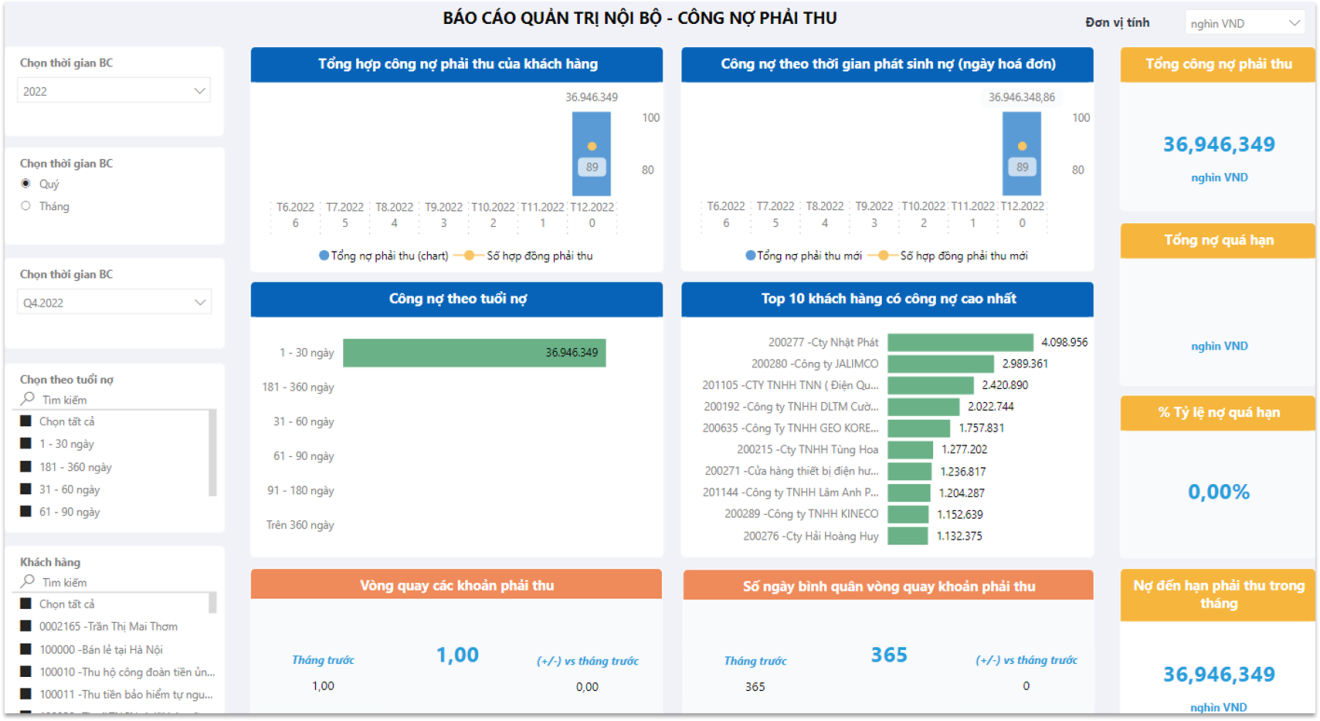
A notable trend in modern management is the transition from standalone dashboards to integrated operational platforms. In this model, dashboards go beyond visualization to become an integral part of the execution system.
According to Gartner, organizations that embed analytics into workflows achieve significantly better decision-making outcomes. When data is linked to alerts, actions, and execution processes, dashboards evolve from passive monitoring tools into active coordination mechanisms.
The role of operational data in dashboard design
A critical factor in role-based dashboards is the use of operational data. Unlike aggregated reports, operational data reflects real-time activities, enabling users to understand what is happening and how to respond.
When dashboards are built on operational data, metrics shift from retrospective analysis to real-time management tools. This transition is essential for improving decision accuracy and optimizing operational performance.
SiciX and the role-based dashboard approach
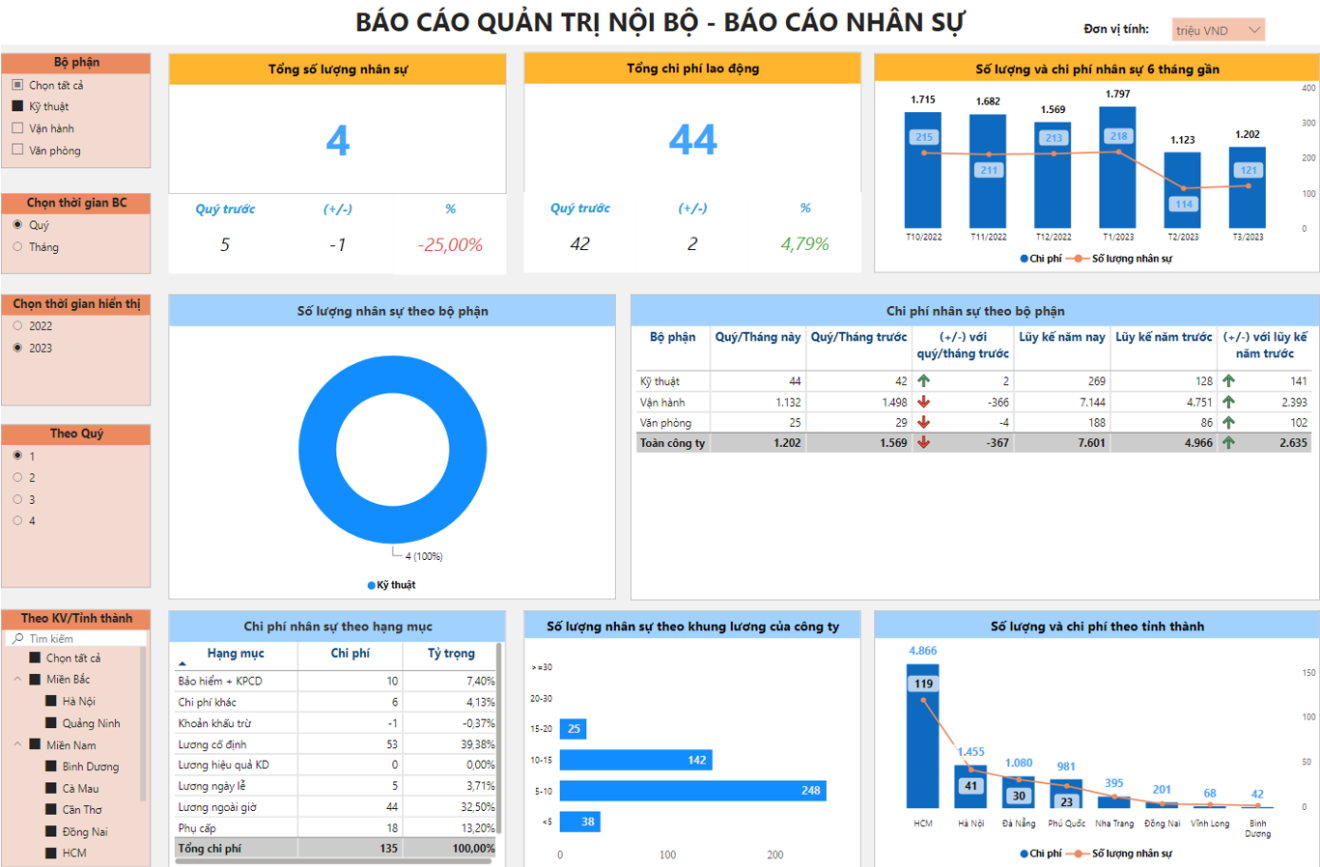
With a focus on operational data platforms, SiciX develops role-based dashboards that allow enterprises to tailor data views according to management levels. Instead of offering a one-size-fits-all interface, the platform ensures that each user accesses the right information at the right time.
By combining real-time data with workflow integration, SiciX enables managers not only to monitor but also to actively coordinate operations. This represents a fundamental shift from “viewing data” to “making decisions with data.”


Block "blog" not found