

 Tiếng Việt
A candidate declines a job offer just hours before signing the employment contract. An employee wants to resign after months of mounting pressure. A new policy needs to be implemented, yet it receives mixed reactions across the organization.
These are situations that Human Resources professionals face on a regular basis. Yet for many people, the image of HR is still often associated with job interviews or recruitment posts published every day.
“HR just posts job openings, conducts interviews, and hires people.”
This is one of the most common perceptions about Human Resources—a simple and understandable one, but also an incomplete one.
In reality, if HR were limited to recruitment alone, it would not have become one of the functions that directly influences how an organization operates and grows.
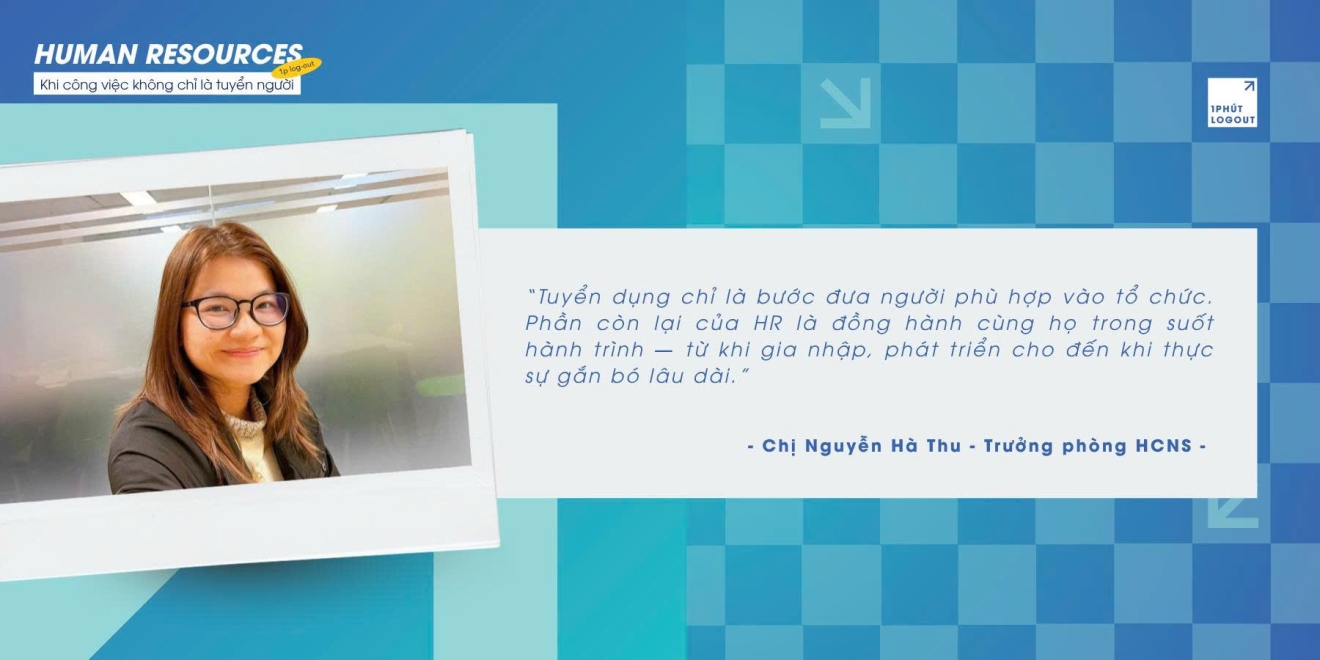
With more than 10 years of experience in the field, Ms. Nguyen Ha Thu, Head of Human Resources and Administration at SiciX, agrees that recruitment is the most visible aspect of HR. However, she believes it is only the starting point.
“Recruitment is simply the process of bringing the right people into the organization. The rest of HR’s role is to accompany them throughout their journey—from onboarding and development to long-term engagement and retention.”
From this perspective, HR’s work is not defined by what people see on the surface, but by the entire system behind the scenes—where processes are designed, policies are refined, and people-related issues are addressed every day.
The Work Behind the Scenes That Often Goes Unnoticed
Although rarely discussed, much of an HR professional’s time is devoted to behind-the-scenes responsibilities.
This may include standardizing processes, updating policies, ensuring legal compliance, or handling issues related to employee relations—matters that rarely fit into any predefined checklist.
“Some situations don’t have a clear right-or-wrong answer. HR professionals need to understand people while also safeguarding organizational principles,” Ms. Ha Thu shared.
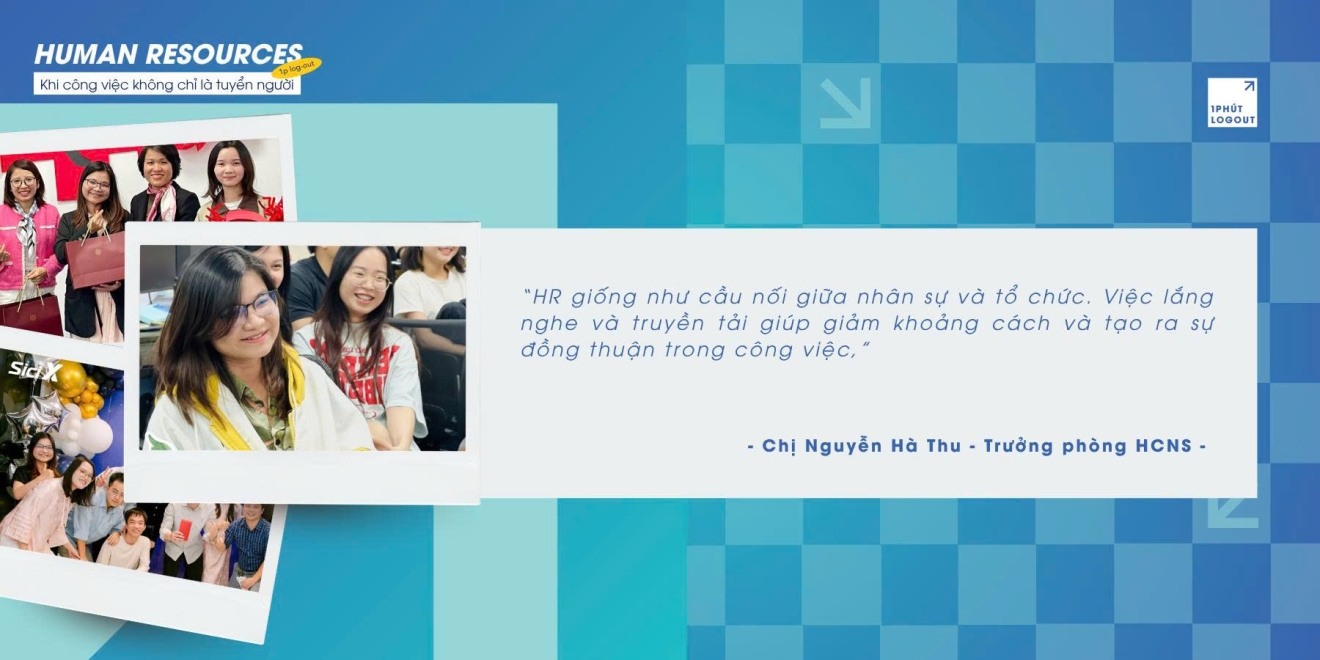
HR also does not work in isolation. The function continuously collaborates with department managers to address workforce challenges ranging from organizational structure and hiring plans to performance evaluation and team development.
These responsibilities may not always be visible, but they form the foundation that enables an organization to operate smoothly and sustainably.


Block "blog" not found