

 Tiếng Việt
When an agricultural product appears on the market, consumers usually see only the final point of a long journey.

24
Jul
Jul
Manufacturing companies do not lack software. What they lack more is a system capable of connecting data, processes, and management decisions into a unified flow.

07
Jul
Jul
As raw material prices, labor costs, and logistics expenses continue to fluctuate, many manufacturers focus on expanding market share or increasing sales to improve business performance.

03
Jul
Jul
For many years, when discussing business growth, most manufacturing companies have focused on three familiar objectives: expanding market share, increasing revenue, and boosting production capacity.

06
Jun
Jun
In many organizations, document management has traditionally been viewed as a supporting administrative function. It is often associated with storing contracts, maintaining employee records, organizing operational procedures, or archiving internal documents. As long as documents are properly stored and can be retrieved when needed, many businesses consider their document management practices to be sufficient.

22
May
May
A procurement request takes three days to complete—not because the process is complex, but because it must pass through emails, chat applications, Excel spreadsheets, and multiple rounds of manual confirmation. This is not the story of a single company. In many organizations today, people are connected through technology, but work itself remains disconnected from the
11
May
May
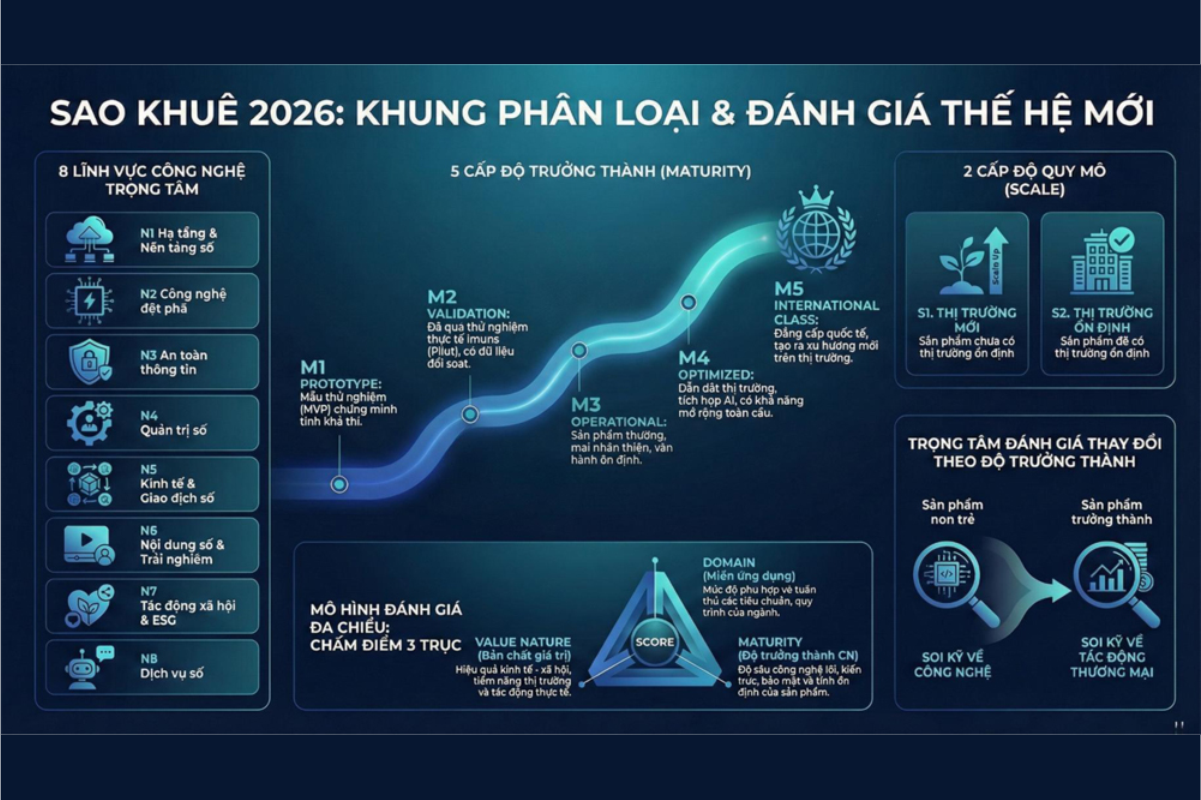
As Vietnam’s digital technology industry shifts toward a stage defined by real technological capability and competitiveness, achieving recognition at the Sao Khue Award 2026 carries significance far beyond individual corporate achievement. It also reflects an important transformation within Vietnam’s technology sector: moving from evaluating products based on standalone features to comprehensively assessing technological capability, scalability,

08
May
May
Over the past few years, the concept of “Digital Office” has become increasingly common in enterprise digital transformation strategies. However, alongside the growing popularity of the term comes a notable reality:
17
Apr
Apr
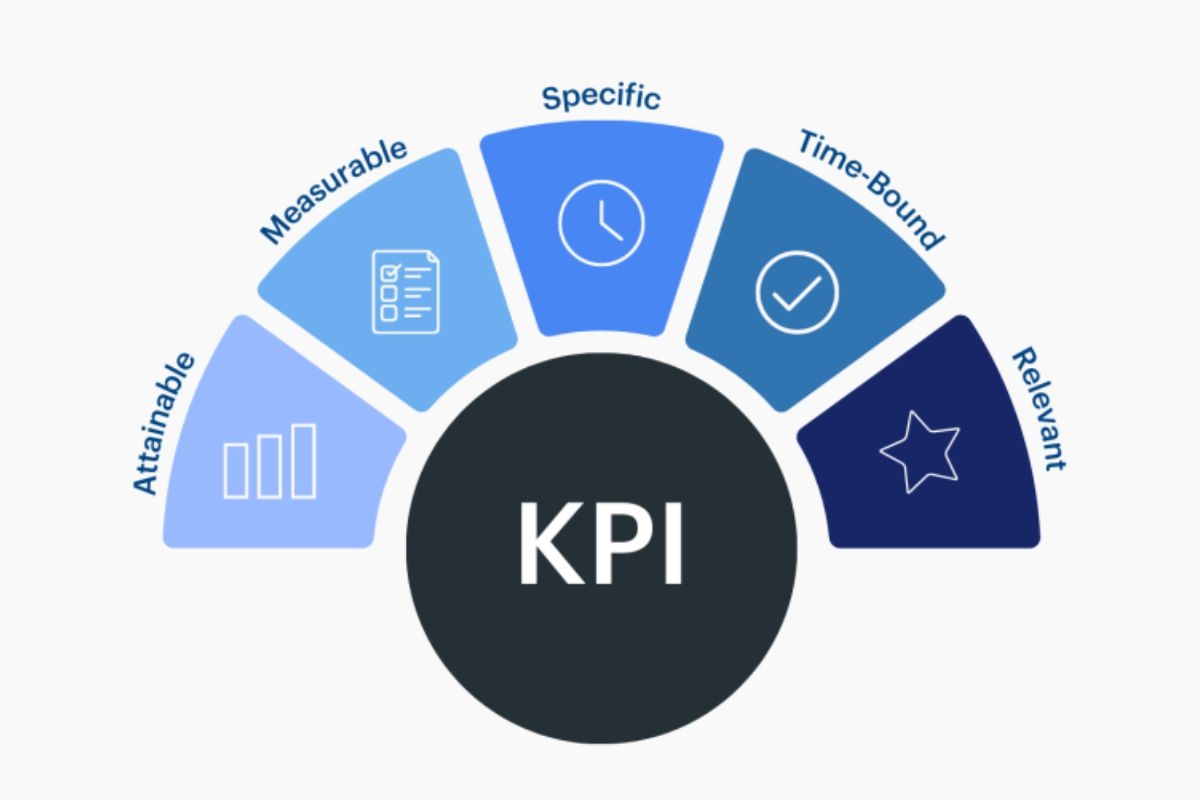
This article examines the role of operational KPIs in enterprise management, why existing KPIs often fail to effectively control performance, and how real-time measurement can address this gap.
07
Apr
Apr
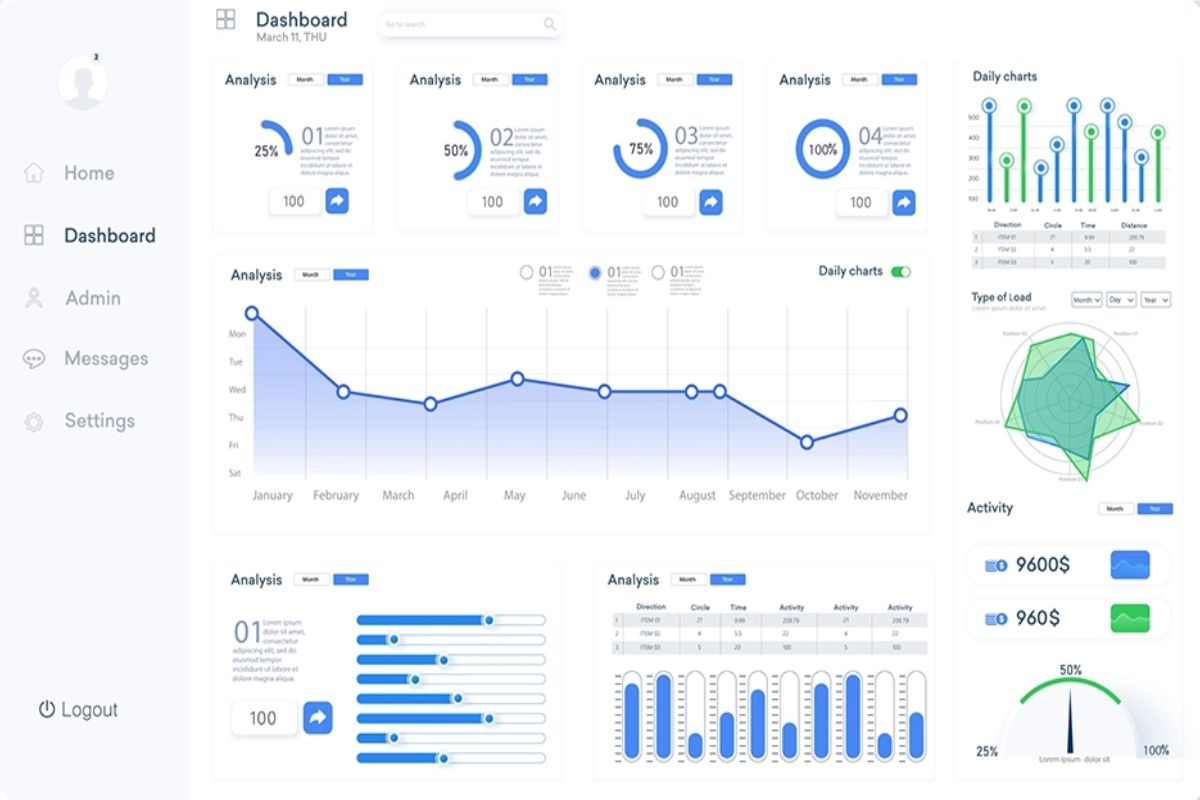
Are shared dashboards reducing decision-making effectiveness? An analysis of role-based dashboards, operational data, and KPIs in modern management.